

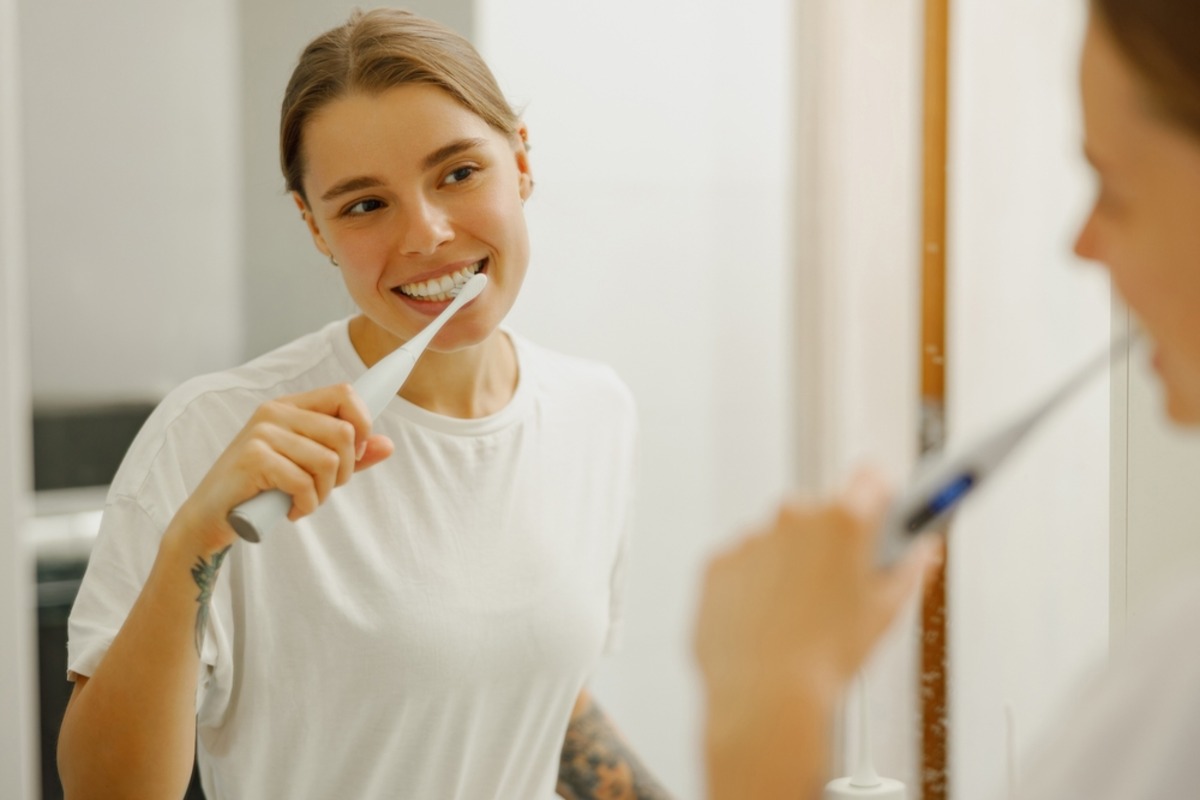
Keeping a bright smile involves more than just a quick scrub in the morning. Many patients visiting our North York dentist, feel they are doing a great job because they brush twice a day. However, your toothbrush can only reach about 60% of your tooth surfaces. The remaining 40% stays hidden in tight gaps where bristles cannot go. To keep your mouth truly healthy, you need a strategy that covers every corner.
The Hidden Danger of Residual Plaque
Even with the best technique, brushing leaves behind a significant amount of film. Understanding why plaque remains after brushing is the first step toward better health. Plaque is a sticky layer of bacteria that loves to hide between teeth and under the gumline. If it stays there, it hardens into tartar, which only a professional can remove.
The Power of Flossing
Many people view flossing as an “extra” step, but it is actually a core part of cleaning. Here is why flossing is as important as brushing: it removes the food particles and bacteria that cause cavities between your teeth. Without it, you leave the sides of your teeth vulnerable to decay and your gums at risk of infection.
Comparison of Cleaning Methods
| Method | Surface Coverage | Target Area |
| Brushing | 60% | Front, back, and chewing surfaces |
| Flossing | 35% | Tight spaces between teeth and under gums |
| Mouthwash | N/A | Killing loose bacteria and freshening breath |
Improving Your Daily Routine
Mastering oral hygiene beyond brushing means using the right tools for the job. While a toothbrush cleans the “highways” of your mouth, other tools handle the “side streets.”
Interdental Brushes and Picks
If you find traditional string floss difficult, interdental brushes are a great alternative. These tiny brushes slide into gaps and effectively scrub the sides of the teeth.
The Role of Mouthwash
A common question people ask is: Does mouthwash replace brushing or flossing? The simple answer is no. Mouthwash is a liquid; it can kill bacteria, but it lacks the physical “scrubbing” power needed to break up plaque. Think of it as the rinse cycle after a wash—it helps, but it cannot do the heavy lifting on its own.
Nutrition and Dental Health
What you eat matters just as much as how you clean. Sugary snacks feed the bacteria in your mouth, leading to acid attacks on your enamel. Drinking plenty of water helps wash away debris and keeps your saliva levels high, which naturally protects your teeth.
Finding Local Professional Care
It is much easier to maintain your smile when you have a reliable dental clinic near you to guide you. Professional cleanings every six months ensure that any missed spots are cleared away before they become painful problems. These visits allow experts to check for early signs of issues that you might not see in the mirror.
Conclusion
A healthy smile is a team effort between your home habits and professional care. By adding flossing and rinsing to your daily habits, you protect yourself from gum disease and tooth loss. Taking these small steps today will save you from complex procedures later. We invite you to visit us to keep your oral health on the right track.
Steeles Weston Family Dental is here to help you achieve your best smile. Contact us today to book an appointment for your next checkup.
Frequently Asked Questions
How often should I replace my toothbrush for the best clean?
You should replace your toothbrush every 3 months, or sooner if the bristles appear frayed, worn, or misaligned.
Is an electric toothbrush better than a manual one?
Electric toothbrushes often remove more plaque because they deliver more strokes per minute than a manual brush can.
Can I use a water flosser instead of string floss?
Water flossers are excellent tools for removing loose debris, but string floss is often better at scraping off sticky plaque.
Why do my gums bleed when I start flossing?
Gums often bleed due to inflammation from trapped bacteria; regular flossing usually stops the bleeding within a week or two.
What is the best time of day to floss?
The best time to floss is right before bed to prevent food from getting trapped between your teeth while you sleep.