


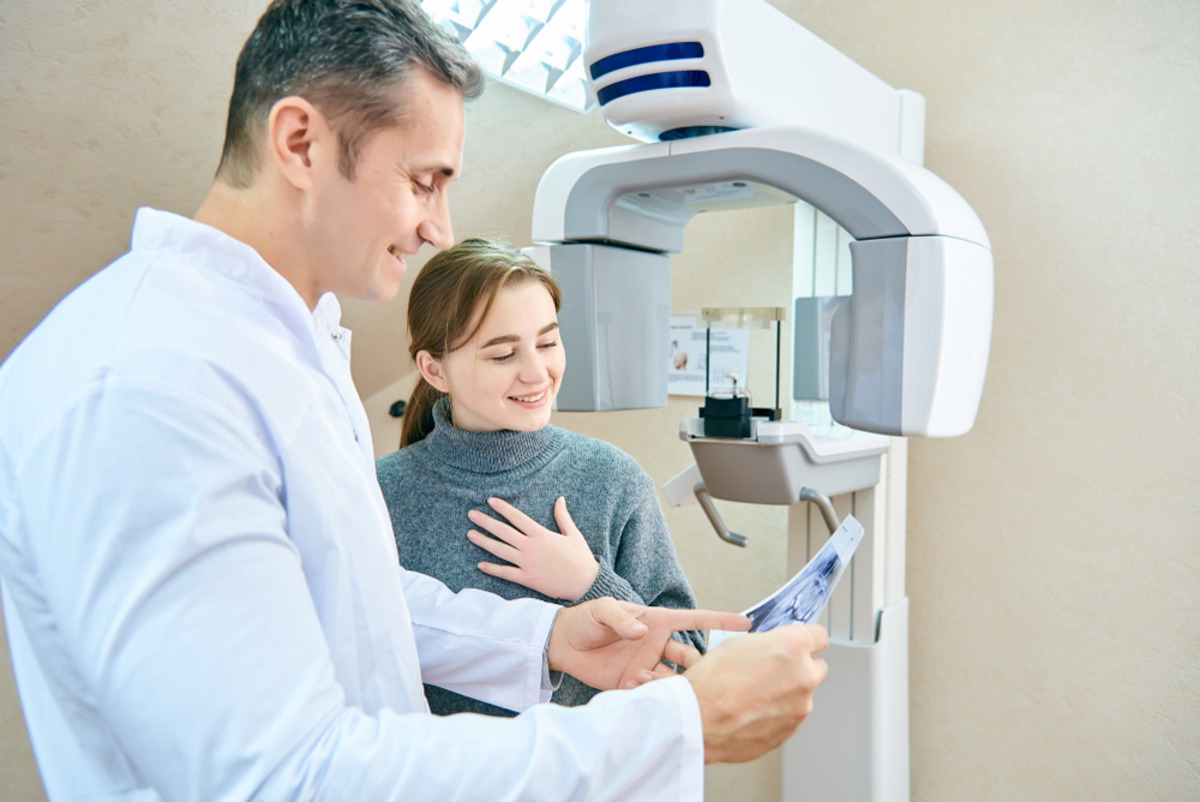
When you visit a dentist, they do not just look inside your mouth with a small mirror and light. They also take dental X-rays. These images help dentists see things that are not visible to the naked eye. If you have ever wondered what a dentist in North York can find using dental X-rays, this blog will explain it.
What Are Dental X-Rays?
Dental x-rays, also called radiographs, are images of your teeth, gums, and jawbone. They use a small amount of radiation to take pictures of the inside of your mouth. These pictures help the dentist more carefully assess your oral health.
Getting dental X-rays near you is easy. Most dental clinics offer this service as part of a routine checkup. It is quick, safe, and very helpful for early detection of dental problems.
Why Are Dental X-Rays Important?
The importance of dental X-rays cannot be ignored. Many dental problems start deep inside the tooth or below the gum line. Without X-rays, a dentist may not be able to spot these problems until they become serious and painful.
Early detection means easier and less costly treatment. A small cavity found early can be filled in one visit. But if it is left untreated and spreads to the root, it may require a root canal or even tooth extraction.
Types of Dental X-Rays
There are different types of dental X-rays, each showing a different part of the mouth.
- Bitewing X-Rays — These show the upper and lower back teeth. They help the dentist check for cavities between teeth and see how well the upper and lower teeth line up.
- Periapical X-Rays — These show the entire tooth, from the crown down to the root. They are useful for detecting root infections, bone loss, and abnormalities below the gum line.
- Panoramic X-Rays — These produce a single wide image of the entire mouth, including all teeth, jaws, and surrounding structures. Dentists use them to check wisdom teeth, jaw problems, and sinuses.
- Occlusal X-Rays — These show the roof or floor of the mouth and are often used for children to track tooth development.
What Can a Dentist Detect with Dental X-Rays?
Here is a list of conditions that a dentist can identify using dental X-rays:
Cavities (Dental Caries)
Cavities can form between teeth or under existing fillings where the dentist cannot see directly. X-rays make these hidden cavities visible before they cause pain or damage.
Bone Loss
Gum disease, also called periodontal disease, can cause bone loss around the teeth. Dental X-rays help measure bone levels and detect early signs of bone loss.
Infections and Abscesses
A dental abscess is a pocket of infection at the root of a tooth. It can cause severe pain and swelling. X-rays help locate the exact position of the infection so treatment can begin right away.
Impacted Teeth
Sometimes a tooth does not come out properly and stays stuck under the gum. This is called an impacted tooth. Wisdom teeth are the most common. Panoramic x-rays help the dentist see impacted teeth clearly.
Cysts and Tumours
Some growths in the jaw or gum tissue may not cause symptoms at first. Dental x-rays can reveal cysts and abnormal growths, helping the dentist refer the patient for further evaluation if needed.
Root Canal Problems
If a tooth has already had root canal treatment, x-rays help determine whether the treatment was successful and whether reinfection has occurred.
Tooth Development in Children
For younger patients, X-rays track tooth growth and help the dentist spot alignment problems early.
Stop Dental Issues Early Using X-Rays
At Steeles Weston Family Dental, we help patients keep their teeth and gums healthy. Our team provides professional dental X-rays to detect cavities, bone loss and other problems before they become serious. With our advanced equipment and skilled dentists, we make sure every visit is safe, quick, and comfortable. Regular check-ups and X-rays help maintain strong teeth and a bright smile.
Book an appointment with us at Steeles Weston Family Dental today. Let us help you protect your smile and prevent dental problems today!
FAQs
How often should dental X-rays be taken?
For most adults, dental X-rays are recommended once a year. Children may need them more often because their teeth and jaws are still developing.
Are dental X-rays safe?
Yes. The amount of radiation used in dental X-rays is very low. Dentists also use protective lead aprons to keep patients safe during the procedure.
Do dental X-rays hurt?
No. Dental X-rays are completely painless. The patient bites down on a small tab or sits still for a few seconds while the image is taken.
Can pregnant women get dental X-rays?
It is generally advised to avoid dental X-rays during pregnancy, especially in the first trimester. However, if necessary, dentists take extra precautions to protect both the mother and the baby.