


Do you wake up with jaw pain, morning headaches, or sensitive teeth? These problems are often caused by teeth grinding during sleep. Since grinding happens at night, many people may not notice it until symptoms start to appear. This is why more people are asking about night guards in North York during dental visits.
In many cases, ongoing clenching and grinding can put pressure on the teeth and jaw joints over time. If you are looking for a dental clinic nearby, you should understand what causes nighttime grinding and whether a night guard can help protect your teeth and jaw.
What is Teeth Grinding?
Teeth grinding, also called bruxism, happens when a person clenches or grinds their teeth, often while sleeping. Many people do not realize they grind their teeth until discomfort or dental problems begin to appear. Over time, frequent grinding may affect the teeth, jaw, and overall oral health.
What Causes Nighttime Teeth Grinding?
Several factors may increase the risk of nighttime grinding. Stress is one of the most common causes, but other oral health or lifestyle factors may also contribute.
Possible causes include:
- Stress or anxiety
- Poor sleep habits
- Problems with how the teeth fit together
- Certain medicines
- Sleep-related conditions
- Too much caffeine
Because teeth grinding often occurs during sleep, many people do not realize they have the problem until they notice pain, sensitivity, or tooth damage.
What are Night Guards for Teeth Grinding?
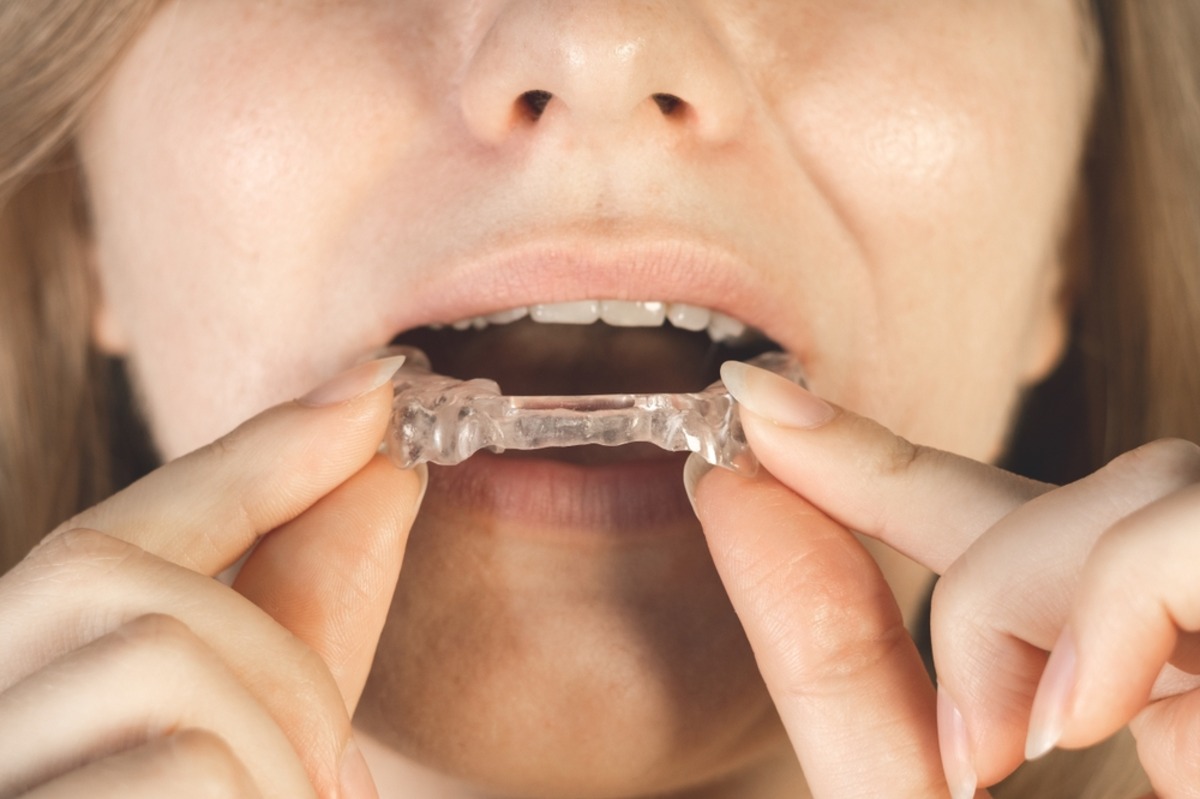
A night guard is a protective dental appliance worn over the teeth while sleeping. It creates a barrier between the upper and lower teeth to reduce the effects of grinding and clenching.
Night guards are commonly recommended for patients who show signs of tooth wear, jaw tension, or nighttime clenching.
A night guard may help:
- Reduce pressure on teeth.
- Protect enamel from wear.
- Lower jaw strain
- Reduce grinding-related discomfort
- Help prevent further tooth damage.
Night guards do not always completely stop grinding, but they can help reduce the damage it causes.
Can Night Guards Protect Teeth From Bruxism?
In many cases, yes. A properly fitted night guard helps reduce direct pressure between teeth during sleep.
Protection benefits may include:
- Less enamel wear
- Reduced risk of chipped teeth
- Lower pressure on the jaw joints
- Reduced muscle tension
- Better protection for dental work, like crowns or fillings
The goal is to protect the teeth and jaw from the effects of grinding while making sleep more comfortable.
Signs You May Need a Night Guard
Some symptoms may suggest that nighttime grinding is affecting your oral health.
Common warning signs include:
- Morning jaw soreness
- Frequent headaches after waking up
- Teeth that look shorter or worn down
- Increased tooth sensitivity
- Tight facial muscles
- Cracked fillings or dental restorations
A dental exam can help determine whether grinding is causing these symptoms.
Why Custom Night Guards are Often Recommended
Many store-bought guards are available, but they may not fit properly for every patient. A custom night guard is designed based on the shape of your teeth and bite.
Custom night guards may provide:
- Better comfort during sleep
- Improved fit and stability
- More balanced pressure distribution
- Better protection for teeth and jaw
- Easier breathing and speaking
How Is a Night Guard Made?
The process is usually simple and quick.
Typical steps include:
- Dental examination of teeth and jaw
- Impressions or digital scans of the mouth
- Custom design of the night guard
- Fitting appointment to check comfort and fit
The goal is to create a guard that fits securely and comfortably during sleep.
Can Teeth Grinding Cause Long-Term Problems?
Without treatment, long-term grinding may slowly damage teeth and affect jaw comfort.
Possible long-term effects include:
- Tooth wear and enamel loss
- Chipped or cracked teeth
- Increased tooth sensitivity
- Jaw discomfort
- Pressure on the jaw joints
- Damage to dental restorations
Early treatment can help reduce the risk of more serious dental concerns later.
How to Reduce Teeth Grinding at Night
Night guards are helpful, but some lifestyle changes may also support better jaw health.
Helpful habits may include:
- Reducing stress before bedtime
- Limiting caffeine late in the day
- Following a regular sleep schedule
- Avoiding chewing hard objects
- Attending regular dental checkups
A North York dentist can also look for bite issues or other factors linked to grinding.
Protect Your Teeth While You Sleep!
Teeth grinding during sleep can slowly affect oral health without obvious warning signs at first. Early evaluation and proper protection can help reduce wear, jaw discomfort, and future dental problems. Book a consultation with Steeles Weston Family Dental to learn more about comfortable nighttime protection and personalized care for your smile.
FAQs
Can night guards protect teeth from bruxism?
Yes. Night guards help reduce pressure between teeth and may lower the risk of tooth wear and damage caused by grinding.
How do you know if you grind your teeth at night?
Common signs include morning headaches, jaw soreness, tooth sensitivity, and worn teeth.
Are custom night guards better than store-bought guards?
Custom night guards are made to fit the teeth more accurately, which may improve comfort and protection.
Can teeth grinding damage teeth permanently?
Long-term grinding may wear down enamel, crack teeth, or damage dental restorations if left untreated.