

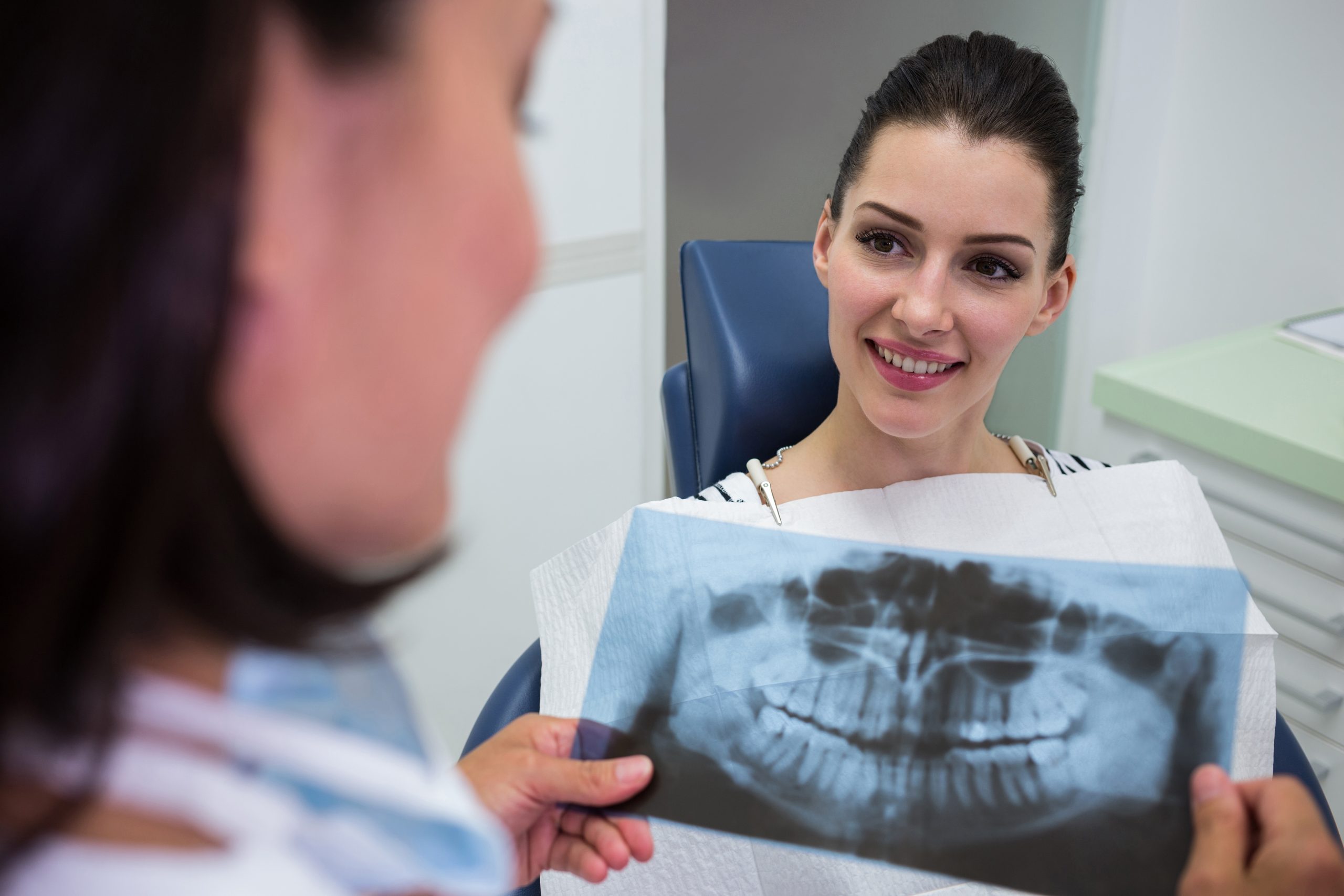
Most people develop a third set of molars in their late teens or early twenties, which is why a dental clinic will often suggest taking pictures of your jaw. These extra teeth, known as wisdom teeth, usually cause problems because most mouths do not have enough room for them. Since these teeth grow deep inside the gums and bone, a dentist cannot see them just by looking into your mouth. Using special technology to look beneath the surface is the only way to know if your smile is in danger.
Getting dental X-rays near you allows a professional to see exactly how your wisdom teeth are positioned. If a tooth is growing sideways or getting stuck against another tooth, it is called an “impacted” tooth. Without a clear picture, a small problem could turn into a painful emergency. Monitoring these changes over time helps ensure that your other teeth stay straight and healthy.
The Role of X-Rays in Diagnosis
When it comes to keeping your mouth healthy, the role of X-rays in diagnosis is to provide a map of everything hidden under the gum line. A dentist uses these images to plan for the future and prevent overcrowding. By examining the roots and the jawbone, the dental team can determine whether a wisdom tooth is likely to cause an infection or damage the teeth next to it.
Early detection is the primary goal of every check-up. If a professional can see a wisdom tooth moving in the wrong direction, they can fix the issue before it starts to hurt. This proactive approach saves time and keeps your mouth feeling great. Using these images, the team can also check for cysts or fluid-filled sacs that sometimes form around new teeth.
Common Types of X-Rays for Wisdom Teeth
Not every picture is the same, and different types of X-rays show different parts of your mouth. Depending on what the dentist needs to see, they might use one of these standard methods:
- Panoramic X-Rays: This machine moves around your head to take a single large image of your entire jaw, showing all your teeth at once.
- Periapical X-Rays: These focus on one or two teeth from the top down to the end of the root.
- Bite-Wing X-Rays: These help find cavities between teeth, but also show how the crowns of your back molars are lining up.
- Digital Imaging: This modern method displays images directly on a computer screen, allowing the dentist to zoom in on fine details.
How Wisdom Teeth Cause Problems
Wisdom teeth often act like uninvited guests at a party where there is no more space on the couch. When they try to squeeze in, they can cause several issues that are easily spotted in an image:
- Crowding: New teeth can push your front teeth out of place, making them look crooked.
- Gum Pain: Teeth that only poke partway through the gums can trap food and germs, leading to swelling.
- Damage to Neighbours: A wisdom tooth growing at an angle might eat away at the roots of the tooth next to it.
- Jaw Stiffness: Pressure from trapped teeth can make it hard to open your mouth or chew comfortably.
Safety and Comfort During the Process
Many patients worry about radiation, but modern dental imaging uses tiny doses to achieve precise results. A dentist will provide a heavy apron to protect your body, and the process usually takes less than a minute. You hold still while the machine does the work. There is no pain involved, and the results are ready almost instantly for the team to review with you.
What Happens After the Results?
Once the images are taken, the dental team sits down to explain what they see. If your wisdom teeth have plenty of room and are growing in straight, the dentist suggests watching them during your regular visits. If the teeth cause trouble, a plan for a gentle removal might be discussed. Having all the facts in front of you makes it much easier to choose between your health.
Steeles Weston Family Dental: Where Confidence Begins
Keeping your smile healthy requires the right tools and a team that cares about your comfort. At Steeles Weston Family Dental, we focus on providing clear information so you always understand what is happening in your mouth. Our modern equipment helps us monitor your wisdom teeth with precision and care.
If it has been a while since your last dental visit, please contact our dental clinic near you to book an appointment. Our friendly staff is ready to help you maintain a bright and pain-free smile for years to come.
Frequently Asked Questions
Is oral surgery painful for anxious patients?
Modern numbing medications and relaxation techniques ensure patients feel minimal discomfort during a procedure. A dentist will work slowly and check on you constantly to make sure you are comfortable and relaxed the whole time.
What sedation options are available for oral surgery?
Clinics often offer different levels of relaxation, ranging from “laughing gas” that makes you feel silly to medicine that helps you sleep through the visit. The right choice depends on how nervous a person feels and the type of work needed.
How long is the recovery after oral surgery?
Most people feel much better within two or three days after having a wisdom tooth removed. Following instructions for soft foods and rest helps the gums heal quickly and prevents additional soreness.
Can anxiety affect oral surgery outcomes?
Being very stressed can sometimes make the body more sensitive, which is why dental teams focus so much on maintaining a peaceful environment. When a patient is relaxed, the body can focus its energy on healing the area faster.