
When you lose a tooth, it can be hard to eat your favourite foods or smile for a photo. It is essential to fix the gap so that your other teeth do not move. Two common ways a dentist helps are with dental implants and dental bridges. If you are looking for a dental clinic North York to help, you might wonder which one is better. Let’s look at how they work and what makes them different.
What is a Dental Implant?
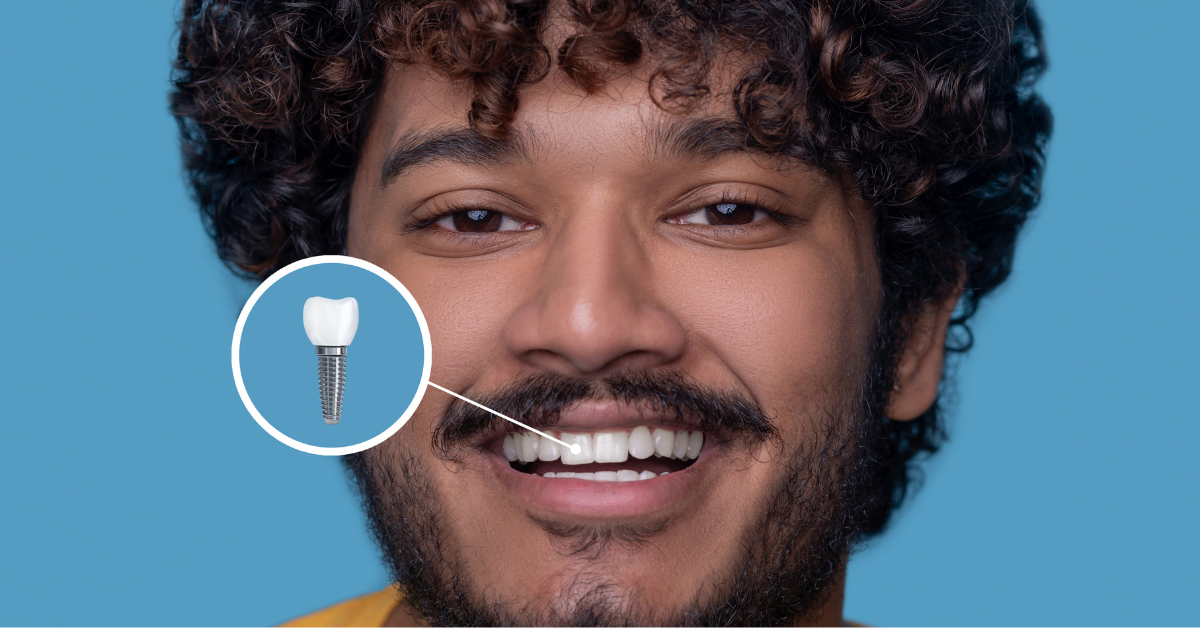
A dental implant is a tiny titanium post. It acts like the root of a tooth. A dentist places it in the jawbone during a minor surgical procedure. Over a few months, the bone grows around the post. This is called osseointegration. Once it is tight, the dentist adds a connector called an abutment and an artificial tooth called a crown.
What is a Dental Bridge?
A dental bridge does not go into the bone. Instead, it uses the teeth next to the gap to hold an artificial tooth in place. These side teeth are called abutment teeth. The dentist has to shave down some of the enamel on these healthy teeth to put caps on them. The artificial tooth, called a pontic, sits in the middle and “bridges” the gap.
Comparison Table: Implants vs. Bridges
| Feature | Dental Implant | Dental Bridge |
| How it stays in | Screwed into the jawbone | Attached to nearby teeth |
| Surgery needed? | Yes | No |
| Healing time | 3 to 6 months | 2 to 3 weeks |
| Lifespan | Can last a lifetime | 5 to 15 years |
| Nearby teeth | Leaves them alone | Must shave them down |
| Bone health | Keeps bone strong | Bone may shrink over time |
Which One Should You Choose?
Both choices help you chew and speak better. However, they have different benefits.
- Longevity: If you want a tooth that stays for a very long time, an implant is usually best. Because it fuses with the bone, it is very strong.
- Speed: If you need a new tooth quickly, a bridge is faster. You only need a couple of visits to the dental clinic.
- Health: Implants are great because they keep the jawbone healthy. When a tooth root is missing, the bone can get weak. The implant acts like a root to keep the bone active.
- Cost: A bridge often costs less at the start. But since bridges need to be replaced every 10 years or so, they might cost more later.
Finding dental implants near you is a great way to start the conversation. A dentist will take X-rays to see if your bone is strong enough for an implant. If the teeth next to the gap already have big fillings or need crowns, a bridge might be a smart choice because it fixes those teeth at the same time.
How to Take Care After Treatment
Dental implants:
- Brush and floss daily.
- Avoid hard or sticky foods during healing.
- Regular dental checkups are important.
Dental bridges:
- Clean under the bridge carefully with floss or special brushes.
- Avoid chewing very hard foods directly on the bridge.
- Visit a dental clinic regularly to check the health of supporting teeth.
Restore Your Smile with the Right Dental Solution.
Steeles Weston Family Dental is a professional dental clinic that helps patients keep their teeth healthy and strong. Our services include cleanings, crowns, dental implants and more. We use safe and modern tools to make every treatment comfortable and effective. Our goal is to improve oral health and help patients regain confident smiles.
Book your appointment today and let us guide you toward a healthy, bright smile!
FAQs
Does getting a dental implant hurt?
Dentists use a local anesthetic to numb the area. You will feel some pressure, but you should not feel pain during the procedure.
How do I clean a dental bridge?
You brush it just like a normal tooth, but you also need to use a special floss threader to clean underneath the fake tooth to keep your gums healthy.
Can kids get dental implants?
Usually, no. Dentists wait until a person’s jawbone has finished growing, which is generally around age 18 or older.
How long does a dental bridge last?
With good brushing and flossing, a bridge usually lasts between 5 and 15 years before it needs to be replaced.
Why is a dental implant better for the bone?
The implant post stimulates the jawbone when you chew, just like a real tooth root. This prevents the bone from shrinking away.